

Why Your Scooter Is Losing Power – 7 Common Causes
There’s nothing more frustrating than hopping on your scooter, ready to zip around town, only to find it’s lost its pep. A scooter lacking power can turn a quick commute into a sluggish crawl. But before you resign yourself to pushing it home, understand that several factors could be at play. This article will explore seven common reasons why your scooter might be losing power, helping you diagnose the issue and potentially find a solution.
1. Battery Problems: The Prime Suspect
The battery is the heart of your electric scooter, and a failing battery is the most frequent culprit behind power loss. Over time, batteries degrade and lose their ability to hold a full charge. This degradation can manifest in several ways:
- Reduced Range: You notice you’re not getting as many miles per charge as you used to.
- Slow Acceleration: The scooter takes longer to reach its top speed.
- Sudden Power Drop: The scooter’s power abruptly diminishes, especially when going uphill or under load.
To check your battery health, examine its age (most scooter batteries have a lifespan of 1-3 years). You can also use a multimeter to test the voltage. If the voltage is significantly lower than the manufacturer’s specifications, it’s likely time for a replacement.
Proper battery maintenance, such as avoiding complete discharge and storing the scooter in a cool, dry place, can help extend its lifespan. Consider the Amp Hour (Ah) rating when buying a new battery; a higher Ah rating generally translates to longer range.
2. Faulty Motor: The Silent Killer
The motor is responsible for converting electrical energy into motion. If the motor is damaged or malfunctioning, it can significantly impact your scooter’s performance. Signs of a failing motor include:
- Unusual Noises: Grinding, clicking, or whirring sounds coming from the motor.
- Overheating: The motor becomes excessively hot to the touch.
- Intermittent Power: The scooter’s power cuts in and out sporadically.
Motor issues can stem from worn-out brushes (in brushed motors), damaged windings, or faulty bearings. Diagnosing motor problems often requires specialized tools and expertise. If you suspect a motor issue, it’s best to consult a qualified scooter technician for repair or replacement. Ignoring a motor problem can lead to further damage and potentially a complete motor failure.
3. Tire Pressure: Overlooked Efficiency
Proper tire pressure is crucial for optimal scooter performance and efficiency. Underinflated tires increase rolling resistance, requiring the motor to work harder to maintain speed. This increased effort drains the battery faster and reduces overall power. Check your scooter’s tire pressure regularly (typically indicated on the tire sidewall) and inflate them to the recommended pressure. Using a bicycle pump or a portable air compressor, ensure your tires are properly inflated for a smoother, more efficient ride.
4. Brake Drag: A Hidden Energy Drain
Sometimes, a subtle issue like brake drag can contribute to power loss. If your brakes are constantly rubbing against the wheels, it creates friction that slows the scooter down and forces the motor to work harder. Check for brake drag by spinning the wheels freely. If you hear a scraping sound or the wheels stop abruptly, your brakes may need adjustment. Adjusting the brake calipers or cables can resolve this issue and improve your scooter’s efficiency.
5. Loose Wiring and Connections: The Electrical Gremlins
Electric scooters have numerous wires and connections, and over time, these can become loose or corroded. Loose connections can disrupt the flow of electricity, leading to power loss or intermittent performance. Inspect all visible wiring and connections, paying close attention to those near the battery, motor, and controller. Tighten any loose connections and clean corroded terminals with a wire brush or electrical contact cleaner. Consider using dielectric grease on connections to prevent future corrosion.
6. Controller Issues: The Brain of the Operation
The controller is the brain of your electric scooter, regulating the flow of power from the battery to the motor. A faulty controller can manifest in various ways, including power loss, erratic acceleration, or complete motor shutdown. Diagnosing controller problems often requires specialized equipment and knowledge. If you suspect a controller issue, it’s best to consult a qualified technician for diagnosis and repair.
7. Excessive Weight or Inclines: Putting Strain on the System
While not a defect, overloading your scooter or tackling steep inclines can significantly impact its power output. Exceeding the scooter’s weight limit puts a strain on the motor and battery, leading to reduced performance and faster battery drain. Similarly, climbing steep hills requires more power than riding on flat surfaces. If you regularly carry heavy loads or ride in hilly areas, consider upgrading to a scooter with a more powerful motor and battery.
By addressing these common causes, you can diagnose and potentially resolve the power loss issues plaguing your electric scooter. Remember to always prioritize safety and consult a qualified technician if you’re unsure about any repairs.
Related Products
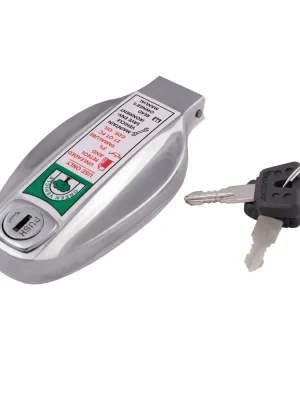
Petrol Tank Lock For Yamaha Rx 135
Original price was: 1,819₹.426₹Current price is: 426₹.Brass Chain And Sprocket Kit For Bullet Classic 500cc Kit Bsorc Cl271
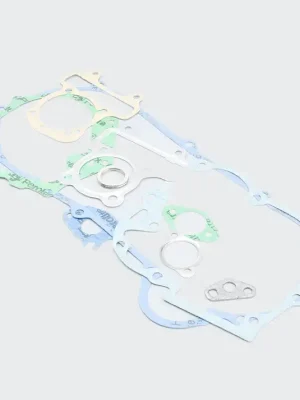
Original price was: 7,649₹.2,422₹Current price is: 2,422₹.Packing Kit Activa Het
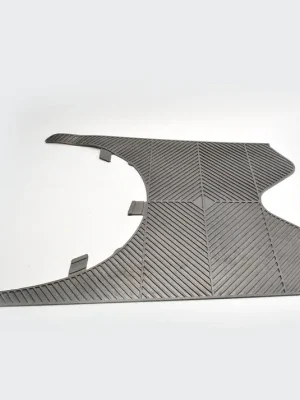
Original price was: 966₹.264₹Current price is: 264₹.Centre Mat top Mat Activa 110
Original price was: 1,030₹.310₹Current price is: 310₹.

Great info.