
Beginners Guide to Motorcycle Maintenance at Home
Motorcycles are honest machines. They tell you how they feel—through sound, vibration, and the way they respond to your hands. Learning basic maintenance at home isn’t just about saving money. It’s about building trust with your bike, understanding its moods, and riding with confidence.
This guide is written for beginners. No heavy jargon. No shortcuts that risk safety. Just clear, practical knowledge you can use in your own garage, driveway, or even a quiet corner of a parking lot.
Why Motorcycle Maintenance Matters

A motorcycle demands more attention than a car. It has fewer safety buffers, exposed components, and tighter tolerances. Small issues grow quickly if ignored.
Regular maintenance helps you:
- Stay safe on the road
- Extend the life of your bike
- Save on repair costs
- Spot problems early
- Feel more connected as a rider
There’s also something grounding about working on your own machine. It slows you down. It teaches patience.
Tools Every Beginner Should Own

You don’t need a professional workshop. Start simple.
Essential tools:
- Socket and wrench set (metric for most bikes)
- Screwdrivers (flat and Phillips)
- Chain cleaning brush
- Torque wrench (very important)
- Tire pressure gauge
- Oil drain pan
- Clean rags or microfiber cloths
Helpful extras:
- Motorcycle stand (rear paddock stand)
- Service manual for your specific model
- Nitrile gloves
- Flashlight or headlamp
Buy quality where it matters. Cheap tools slip. Slips cause injuries.
Building a Maintenance Mindset
Motorcycle maintenance isn’t a checklist you rush through. It’s a mindset you develop. Beginners often focus on tasks—change oil, lube chain, check tires—but the real skill is awareness.
Ask simple questions each time you approach the bike:
- Does anything look different?
- Does anything feel loose?
- Does anything smell unusual?
These quiet pauses train your instincts. Over time, you’ll sense problems before tools are needed.
Riding Style and Its Impact on Wear
How you ride directly shapes how often you maintain.
Aggressive acceleration stretches chains faster. Hard braking eats brake pads. High RPM riding stresses oil sooner. None of this is wrong—it just has consequences.
Gentler riding:
- Extends service intervals
- Reduces heat buildup
- Improves fuel efficiency
Understanding this connection helps you choose maintenance schedules that match your habits, not just the manual.
Fasteners, Bolts, and the Importance of Torque
Motorcycles vibrate. Bolts loosen. This is normal.
That’s why torque specs matter. Tight enough to hold. Not so tight they snap.
Good habits:
- Use a torque wrench whenever possible
- Tighten in stages
- Recheck critical bolts periodically
Stripped threads are expensive lessons. Patience saves money.
Fluids Beyond Oil
Oil gets attention, but other fluids matter too.
Brake fluid:
Affects stopping power. Replace on schedule.
Coolant:
Prevents overheating and corrosion.
Fork oil:
Often ignored, yet vital for suspension feel.
Think of fluids as lifeblood. Old fluids quietly weaken performance.
Knowing What “Normal” Feels Like
One of the biggest beginner challenges is not knowing what’s normal.
Pay attention to:
- Engine idle sound
- Gear shift smoothness
- Clutch engagement point
- Brake lever pressure
Once you know your bike’s baseline, changes stand out immediately. That awareness is more valuable than any single repair skill.
Maintenance and Mental Focus
Working on a motorcycle requires presence. Distraction leads to missed steps.
Before starting:
- Set aside enough time
- Avoid rushing
- Keep tools organized
If frustration builds, stop. Resume later. Calm hands make fewer mistakes.
Learning From Small Failures
Everyone forgets a bolt. Everyone spills oil once. These moments teach more than perfect jobs ever do.
What matters is how you respond:
- Clean up carefully
- Fix the mistake
- Learn the pattern
Confidence isn’t the absence of errors. It’s knowing how to recover.
Community as a Learning Tool
Motorcycle knowledge grows faster when shared.
- Local riding groups
- Online forums
- Service manuals
- Experienced friends
Ask questions. Listen more than you speak. Most riders remember being beginners.
Maintenance as Part of the Ride
Eventually, maintenance stops feeling separate from riding. It becomes part of it.
You ride.
You listen.
You adjust.
The machine responds.
That rhythm—ride, care, repeat—is what turns ownership into stewardship.
Understanding Your Motorcycle’s Basics
Before touching anything, know what you’re looking at.
Key systems:
- Engine
- Transmission
- Chain or belt drive
- Brakes
- Suspension
- Electrical system
- Tires
Spend time just observing. Follow cables. Trace hoses. Familiarity reduces mistakes.
Oil and Filter Change (Your First Big Win)
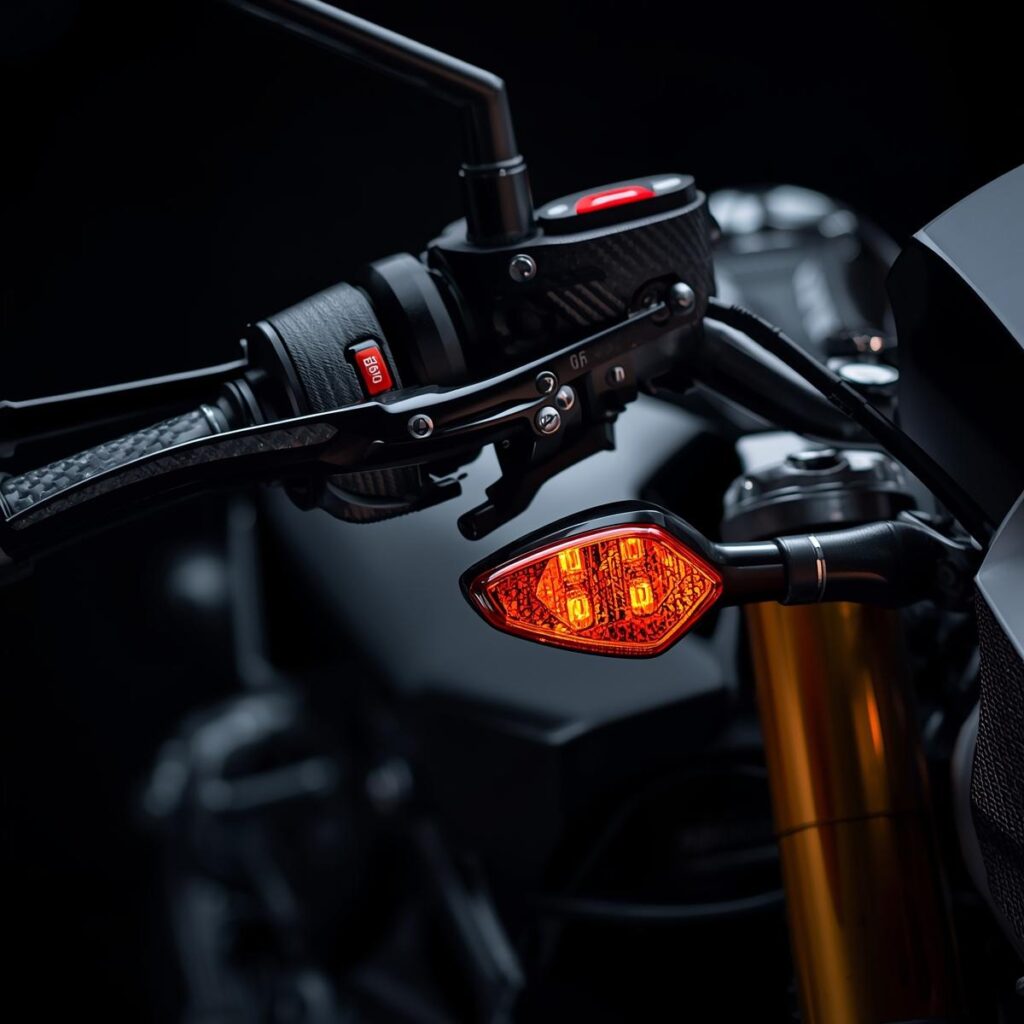
This is usually the first maintenance task beginners learn—and for good reason.
Why it matters:
Oil lubricates, cools, and cleans the engine. Dirty oil wears parts fast.
How often:
Typically every 3,000–6,000 miles, or as your manual recommends.
Basic steps:
- Warm the engine for a few minutes
- Turn the bike off and secure it upright
- Remove the drain bolt and let oil flow out
- Replace the oil filter
- Reinstall drain bolt with correct torque
- Add new oil
- Check the level
Take your time. Over-tightening bolts is a common beginner mistake.
Chain Maintenance (Clean, Lube, Adjust)
A neglected chain is noisy, inefficient, and dangerous.
How often:
- Clean and lube every 300–600 miles
- After riding in rain or dust
Steps:
- Lift rear wheel (if possible)
- Spray chain cleaner
- Scrub gently with a chain brush
- Wipe clean
- Apply chain lubricant to the inside of the chain
- Let it sit before riding
Chain slack:
Too tight damages bearings. Too loose risks derailment. Measure slack according to your manual.
Tire Care: Your Only Contact With the Road
Tires matter more than horsepower.
Check regularly:
- Air pressure (weekly)
- Tread depth
- Cracks or punctures
Tire pressure:
Always check when tires are cold. Use the manufacturer’s recommended PSI, not what’s printed on the tire wall.
Worn tires feel vague.
Fresh tires feel planted. Trust that feeling.
Brake Inspection and Care
Brakes save lives. Treat them seriously.
What to check:
- Brake pad thickness
- Brake fluid level
- Leaks around lines and calipers
Brake fluid:
- Usually DOT 3 or DOT 4
- Hygroscopic (absorbs moisture)
- Should be replaced every 1–2 years
If brakes feel spongy, don’t ride. Fix first.
Battery Maintenance
Many breakdowns start with the battery.
Basic care:
- Keep terminals clean and tight
- Check voltage if the bike sits unused
- Use a battery tender during storage
A weak battery stresses the charging system. Replace early rather than late.
Air Filter: Let the Engine Breathe
Engines are air pumps. Dirty air filters choke performance.
Service interval:
Every 5,000–10,000 miles, depending on conditions.
Steps:
- Locate air box
- Remove cover
- Inspect filter
- Clean or replace
Reusable filters must be oiled properly. Too much oil causes problems.
Spark Plugs: Small Part, Big Impact
Worn spark plugs cause poor starts and rough running.
Check for:
- Black soot (rich mixture)
- White deposits (lean condition)
- Oily residue (engine issue)
Replace at recommended intervals. Use correct gap settings.
Cooling System Basics
Not all bikes are air-cooled.
Liquid-cooled bikes need:
- Coolant level checks
- Hose inspection
- Periodic coolant replacement
Never open a hot radiator. Let it cool completely.
Cables, Levers, and Controls
Smooth controls reduce fatigue and improve safety.
Inspect:
- Throttle cable play
- Clutch cable condition
- Lever pivot lubrication
Sticking throttles are dangerous. Fix immediately.
Suspension Checks
You don’t need to rebuild forks to do basic checks.
Look for:
- Oil leaks on fork tubes
- Uneven sag
- Loose bolts
Good suspension keeps tires planted. Bad suspension feels unsettling.
Electrical System: Simple Checks
You don’t need to be an electrician.
Check:
- Lights (headlight, brake, indicators)
- Horn
- Fuses
Carry spare fuses. Electrical failures are often simple.
Cleaning Your Motorcycle
Cleaning isn’t vanity. It’s inspection.
Tips:
- Avoid high-pressure water on bearings
- Use motorcycle-safe cleaners
- Dry thoroughly
You’ll spot leaks, cracks, and loose bolts while cleaning.
Maintenance Schedule (Beginner-Friendly)
Before every ride:
- Tire pressure
- Lights
- Brakes
Weekly:
- Chain condition
- Oil level
Monthly:
- Battery check
- Bolt inspection
Seasonally:
- Oil change
- Brake inspection
- Air filter
Consistency beats intensity.
Common Beginner Mistakes
- Over-tightening bolts
- Skipping torque specs
- Using the wrong fluids
- Ignoring small leaks
- Rushing
Slow work is safe work.
When to Stop and Ask for Help
DIY has limits. That’s wisdom, not weakness.
Seek professional help for:
- Internal engine work
- ABS systems
- Suspension rebuilds
- ECU or fueling issues
Learn gradually. Confidence grows with time.
The Quiet Reward of Doing It Yourself
Motorcycle maintenance teaches patience. It teaches listening. After a while, you’ll feel when something’s off—before it becomes a problem.
That awareness carries into riding. And into life, oddly enough.
If you take care of the machine, it takes care of you.
Storing Your Motorcycle Properly at Home
How you store your motorcycle matters just as much as how you ride it. Poor storage quietly damages parts over time, especially if the bike sits unused.
Short-term storage (a few days to weeks):
- Park on a level surface
- Cover the bike to protect from dust and sunlight
- Avoid damp areas
Long-term storage (a month or more):
- Clean the bike thoroughly
- Change the oil (used oil contains acids)
- Fill the fuel tank and add fuel stabilizer
- Disconnect the battery or use a tender
- Inflate tires to recommended pressure
- Use stands if possible to avoid flat spots
Storage is preventative maintenance. It slows aging.
Listening to Unusual Sounds and Feel
Motorcycles speak in subtle ways. Beginners often ignore early signals because nothing feels “broken” yet.
Pay attention to:
- New rattles or ticking sounds
- Vibrations that weren’t there before
- Changes in clutch feel
- Steering that feels heavy or vague
These changes usually appear before failure. A short inspection now can prevent a long repair later.
Keeping a Simple Maintenance Log
You don’t need an app. A notebook works.
Write down:
- Date
- Mileage
- What you checked or replaced
- Any observations
This habit builds mechanical memory. Over time, patterns emerge—how long parts last, how your riding affects wear, what your bike prefers.
Consistency creates confidence.
Learning to Read Wear Patterns
Every worn part tells a story.
- Uneven tire wear can signal poor alignment or suspension issues
- Blue brake rotors suggest overheating
- Stretched chains reflect aggressive riding or poor lubrication
- Dark exhaust tips may indicate rich fueling
Understanding these clues helps you adjust habits, not just replace parts.
Weather and Seasonal Maintenance
Different seasons demand different care.
Hot weather:
- Monitor coolant levels
- Watch tire pressure (heat raises PSI)
- Keep chain lubricated
Cold weather:
- Battery health becomes critical
- Tires lose grip until warmed
- Condensation can build inside the engine
Adapting maintenance to weather keeps the bike predictable.
Riding After Maintenance: First Checks
After any work, ride gently at first.
- Test brakes at low speed
- Listen for unusual noises
- Check for leaks after the ride
- Recheck bolts if needed
Never assume everything is perfect. Verify it.
Building Confidence Without Overconfidence
Home maintenance is empowering, but humility keeps you safe.
If something feels unclear:
- Stop
- Recheck the manual
- Watch trusted tutorials
- Ask experienced riders
Learning slowly prevents costly mistakes. Pride has no place near moving parts.
The Long-Term Payoff
Over time, maintenance becomes instinctive. Your hands know bolt tension. Your ears catch subtle changes. Your rides feel smoother—not because the bike is newer, but because it’s understood.
That relationship is the quiet reward of doing the work yourself.
Visit: spoti down
spotify download mp3
spotidown official website
spotidownmp3
spotisown