

Bike Repair on a Budget: DIY for the Indian Rider
Riding in India – A Daily Reality
For many in India, a bike isn’t just a leisure vehicle—it’s a lifeline. From weaving through city traffic to covering long rural stretches, two-wheelers are relied upon daily for work, family, and personal needs. But frequent use also means frequent wear and tear. Regular servicing at workshops can be costly, and small repairs often add up over time. This is where DIY bike maintenance becomes not just practical but empowering.
Why DIY Repairs Matter
Doing repairs yourself saves money, but the benefits go beyond cost. When you work on your own bike:
- You understand how it functions.
- You can spot issues early, preventing breakdowns.
- You gain confidence to handle emergencies on the road.
- You develop a stronger bond with your machine.
With a little patience and the right tools, even beginners can take care of most routine fixes.
Essential Tools for the Indian Rider
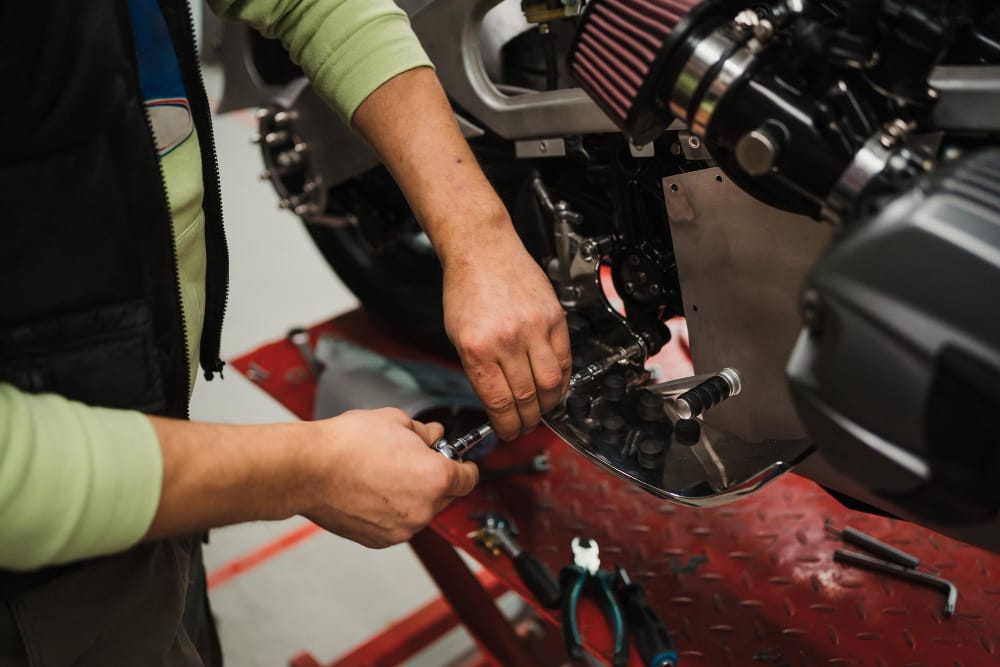
Before diving into repairs, every rider should build a basic toolkit. You don’t need expensive gadgets—just practical, reliable tools:
- A spanner set and screwdriver set.
- Pliers and Allen keys.
- A portable tire inflator or foot pump.
- Chain cleaning brush and lubricant.
- Puncture repair kit.
- Torchlight for night emergencies.
These items can be easily found at local markets or online stores and will serve you in most situations.
Common DIY Fixes
1. Fixing a Puncture
Punctures are the most common issue faced by riders. Instead of heading to a repair shop every time, learn to use a puncture repair kit. With practice, sealing a small hole in a tubeless tire takes less than 15 minutes. For tube tires, carrying a spare tube is a lifesaver.
2. Chain Care
A neglected chain reduces mileage and performance. Cleaning it with kerosene and applying lubricant extends its life. Doing this once every 500–700 km keeps your bike running smoothly and avoids costly replacements.
3. Battery Maintenance
In Indian weather, batteries often drain quickly. Keep the terminals clean and free of corrosion. If your bike has a conventional lead-acid battery, top it up with distilled water when needed. For long storage, disconnect the battery to prevent discharge.
4. Brake Pad Replacement
Worn-out brake pads compromise safety. Pads for most commuter bikes are affordable and can be replaced with basic tools. Learning this simple task ensures you never ride with weak brakes.
5. Oil Change
Engine oil is the lifeblood of your bike. Instead of visiting a service center, you can change oil yourself. Drain the old oil, refill with manufacturer-recommended grade, and your engine will thank you with smoother rides.
Cost Comparison – Workshop vs. DIY
Let’s take a simple example:
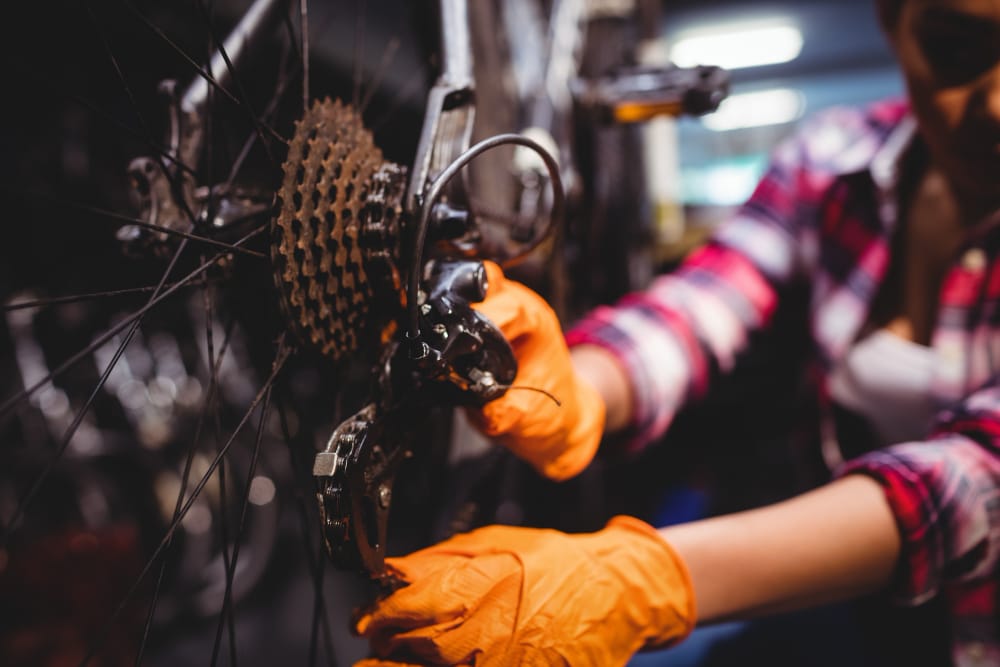
- Chain cleaning and lubrication at a service center: ₹400–600.
- DIY chain care at home: under ₹100 (kerosene + lube).
- Brake pad replacement at a workshop: ₹800–1200 including labor.
- DIY replacement: ₹400–600 for the pads alone.
Over a year, the savings add up significantly. For riders on a tight budget, this makes a huge difference.
Learning Resources for Beginners
DIY does not mean trial and error. Today, there are countless resources available:
- YouTube tutorials in regional languages.
- Online bike forums where riders share tips.
- Manufacturer manuals with step-by-step instructions.
- Local workshops where mechanics may teach basics for a small fee.
By using these resources, Indian riders can confidently take charge of their own bike care.
Safety First – Know Your Limits
While DIY is empowering, it’s also important to know when to stop. Complex issues like engine overhauls, clutch repairs, or electrical rewiring are best left to skilled mechanics. Attempting them without expertise could lead to bigger, costlier problems. The golden rule: handle routine maintenance and minor fixes yourself, but respect the expertise required for major jobs.
Sustainable and Practical
DIY repairs also align with sustainable practices. By maintaining your bike regularly, you extend its life and reduce waste. Proper chain care, timely oil changes, and battery upkeep prevent premature replacements, saving both money and the environment.
The Spirit of Self-Reliance

For Indian riders, adopting a DIY approach is about more than saving a few rupees. It’s about being self-reliant, prepared, and confident on the road. Imagine fixing a puncture on a highway without waiting for help—that sense of independence is priceless.
By investing in a basic toolkit, spending some time learning, and practicing small repairs, every rider can manage their bike without depending on workshops for every minor issue.
Final Thoughts
The Hohee X Pearl Helmet protects your head, but maintaining your bike protects your journey. For Indian riders balancing budgets, DIY bike repair is a smart, sustainable, and empowering choice. Start small, keep learning, and soon, your bike won’t just be your daily companion—it will be a machine you truly understand and care for with your own hands.
Get the latest Hohee Helmets.
Visit AMS.