Radiator Sensor for Benelli TNT Series
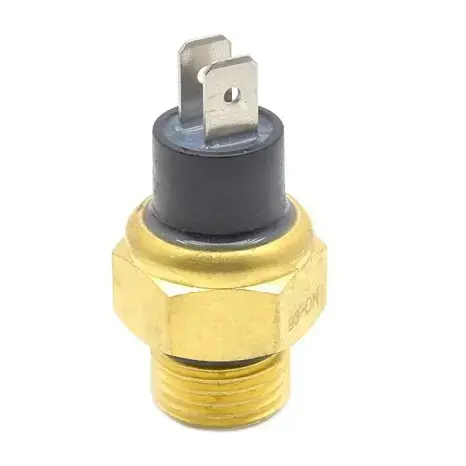
Ensure your Benelli TNT series motorcycle is running at optimal temperature with our high-quality Radiator Sensor for Benelli TNT Series. This essential component plays a critical role in monitoring and regulating your engine’s cooling system, preventing overheating and potential damage. Designed specifically for the robust Benelli TNT lineup, this sensor provides accurate readings to your bike’s ECU (Engine Control Unit), allowing it to adjust fan operation and fuel mixture for maximum efficiency and longevity. Whether you’re navigating city streets or tackling winding country roads, maintaining the correct engine temperature is paramount for performance and reliability. This radiator sensor is engineered to meet or exceed original equipment manufacturer (OEM) standards, offering a direct fit replacement that guarantees seamless integration with your existing electrical system. Investing in a reliable radiator sensor is a proactive step towards safeguarding your valuable investment and enjoying every ride with confidence.
Crafted from premium-grade materials, our Radiator Sensor for Benelli TNT Series is built to withstand the demanding conditions of motorcycle operation. The sensor housing is constructed from durable, heat-resistant polymers and metals that can endure high temperatures and exposure to engine fluids. Internal components are meticulously selected for their precision and resilience, ensuring consistent and accurate performance over time. We understand that durability is a key concern for riders, which is why our sensor undergoes rigorous testing to confirm its resistance to vibration, shock, and the corrosive effects of coolant. This commitment to quality materials and construction means you can rely on this radiator sensor to perform flawlessly, even during prolonged use in challenging environments. It’s a testament to our dedication to providing motorcycle parts that are not only functional but also built to last, offering peace of mind and excellent value for money.
The primary purpose of this Radiator Sensor is to provide the engine management system with real-time data about the coolant temperature. When the coolant reaches a predetermined threshold, the sensor signals the ECU to activate the radiator fan, thereby dissipating excess heat. Conversely, as the coolant cools down, the sensor informs the ECU to deactivate the fan, optimizing energy usage and preventing the engine from running too cold. This precise temperature regulation is vital for preventing engine knock, reducing wear and tear on internal components, and maintaining optimal fuel combustion for better performance and fuel economy. A malfunctioning or inaccurate radiator sensor can lead to a host of problems, from unexplained engine stalls to costly internal damage. Therefore, replacing a faulty sensor promptly with a reliable unit like ours is a crucial maintenance step for any Benelli TNT owner.
The key benefits of installing our Radiator Sensor for Benelli TNT Series are numerous. Firstly, it ensures your engine operates within its ideal temperature range, preventing the risk of costly overheating damage. This translates to enhanced engine longevity and reduced maintenance expenses in the long run. Secondly, by providing accurate data to the ECU, it contributes to optimal fuel efficiency and smoother engine performance. You’ll notice a more responsive throttle and a consistent power delivery, no matter the riding conditions. Thirdly, its direct-fit design simplifies the installation process, saving you time and the need for specialized tools. For riders looking for other essential components for their machines, exploring our range of Bike Spare Parts and Accessories can help keep your motorcycle in top shape. Whether you own a TNT 150, TNT 25, TNT 300, TNT 600, or any other model within the series, this radiator sensor is a vital part of your motorcycle’s health. It’s also worth noting the advancements in motorcycle technology, especially with Indian bikes, where such precise sensor technology is increasingly important for modern performance and emissions standards.